
Best Fig Fragrances
What "Fig" Actually Means in a Bottle
Fig is one of the few notes in perfumery that perfumers build from an entire plant rather than a single material. When a house describes a fig fragrance, they are rarely working from a fruit extract — raw fig does not survive the fragrance-making process in any useful form. Instead, they reconstruct the whole tree: the sharp, almost medicinal snap of the green stem; the milky white sap that bleeds when a branch breaks; the dry, sun-warmed bark; the dusty green leaf; and, last and least, the ripe fruit itself.
The main tools for building a fig accord are stemone, which captures the green, milky stem quality that is the note's most distinctive character; fig-leaf accord, a synthetic that delivers the leafy-bitter top; and various woody and lactonic materials that stand in for the bark warmth and the ripe sweetness. What a perfumer reaches for first in that toolkit determines where a fig scent lands on the spectrum, and the range is wider than people who have only encountered fig as a supporting note tend to expect.
Understanding the chemistry matters for a practical reason. A lot of shoppers who describe themselves as not liking fig fragrances have only tried the ripe-fruit interpretation, the ones that lean jammy and a touch confected. The green-leaf and milky-sap expressions are an almost completely different experience. Knowing which part of the tree you want to smell is the most useful orientation you can bring to this category.
Green Leaf Versus Milky Sap: The Genre's Two Poles
The fig genre splits broadly into two directions, and most individual bottles lean clearly one way.
The green-leaf side is bitter, fresh, slightly astringent and carries an almost medicinal edge when it is done purely. The smell of snapping a branch or crushing a leaf between your fingers is the reference. Scents in this mode tend to be cooler, drier and more transparent, linking fig naturally to the wider world of best green fragrances. They tend to work well in warm weather, and they pair naturally with citrus and tea materials that share the same angular, tannin-edged quality. Of all the expressions of fig, this one is the furthest from what people who are sceptical of the note imagine. It is not sweet and it is not fruity; it is more like a herb than a dessert.
The milky-sap side goes warmer, creamier and softer. The reference here is the white liquid that beads at the cut end of a stem — it has a faint coconut-lactonic quality when captured in fragrance, and some of the materials used to represent it sit close enough to coconut territory that certain fig scents bleed into that space. Perfumers who love this direction frequently create work that also appeals to people drawn to best coconut fragrances. The milky fig is warmer and more skin-close, and it tends to be easier to wear year-round rather than purely in summer.
Most fig fragrances blend both ends to some degree. Where they land is a matter of emphasis: how much bark, how much leaf, how much ripe sweetness, and how much of that lactonic sap. The five picks on this list spread across the full range, from Giacobetti's 1996 green-leaf benchmark to Mancera's 2024 sweet-fruity crowd-pleaser.
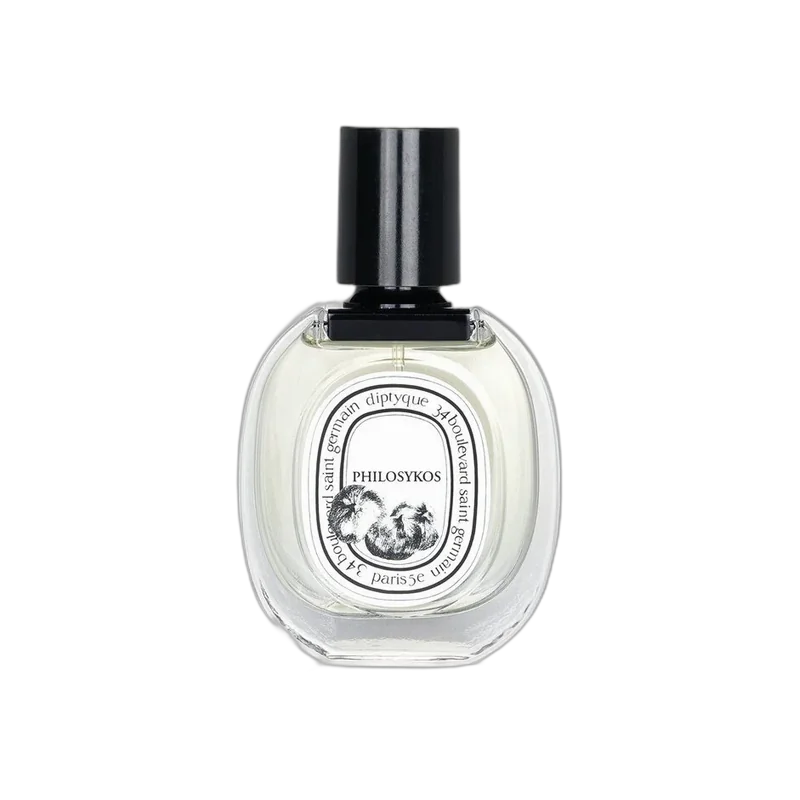
Philosykos Eau De Toilette
Olivia Giacobetti's 1996 commission for Diptyque is the reason the fig note exists as a serious perfumery category. Philosykos, from the Greek for friend of the fig, was built not as a fruit scent but as an entire tree rendered in smell: the snapped, milky sap of the stem, the bitter green crush of leaf, the dusty warmth of bark, and only then, distantly, the ripe sweetness of the fruit itself. Giacobetti achieved it largely through synthetic fig-leaf accord and stemone, which is still the standard toolkit for fig in perfumery. On skin, it opens with a sharp, almost medicinal green edge before softening through a dry, woody heart and settling into a warm milky finish that borders on coconut without ever going tropical. The restraint is deliberate and pointed. Most scents that use fig as a note reach for the jam; Philosykos stays up in the leaves. It wears unisex without effort and has done so for three decades, surviving reformulations with its character largely intact. The clear-glass bee bottle is one of the more quietly assured things Diptyque makes. For anyone asking what fig in perfumery actually means, this is the answer — it is still the genre definition, thirty years in.
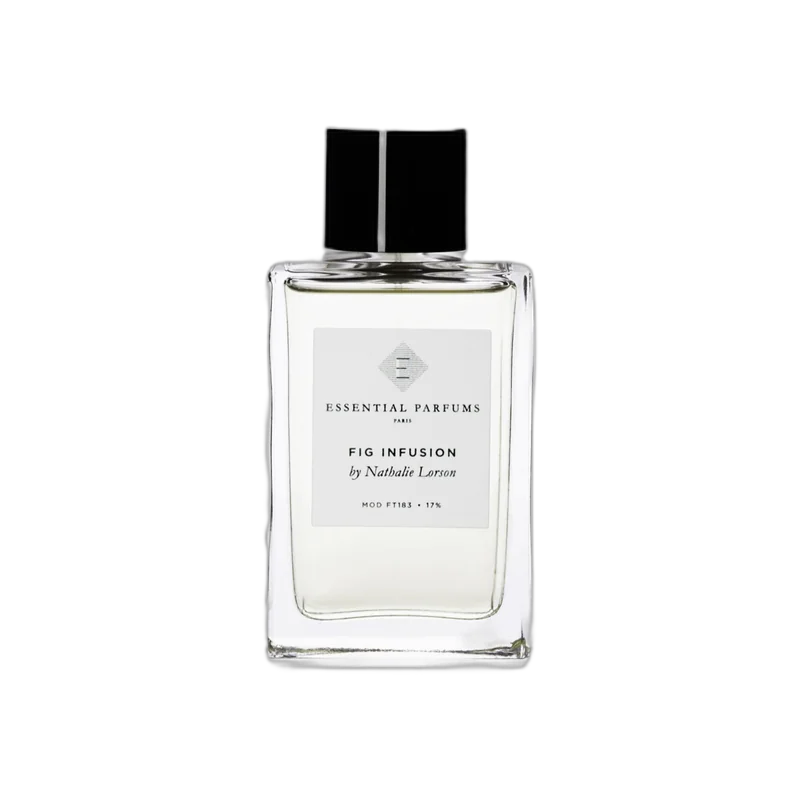
Fig Infusion
Clean, transparent green fig done at a price point that makes it hard to argue against. Essential Parfums launched Fig Infusion in 2022 as part of the Paris house's edit of accessible takes on classic raw materials, and fig was an obvious fit — it lets their stripped-back approach shine without the complexity of heavier materials. What arrives on skin is a bright, almost sparkling green fig backed by a light cedar and clean musks, cool rather than warm, closer to a sliced fig than a ripe one. There is no milky sap richness and no jammy sweetness: this is the leaf end of the spectrum, refreshing and easy to wear. The transparent, watery feel puts it firmly in warm-weather territory and makes it read office-safe and daily-friendly in a way the deeper, woodier fig scents do not. Performance is modest rather than impressive, sitting close to the skin for most of the day, which suits the mood. The refillable bottle is practical. For anyone after a light, modern green fig at a price far below the category leaders, Fig Infusion is the obvious pick, and its position at the accessible end makes it a sensible first fig rather than a last one.
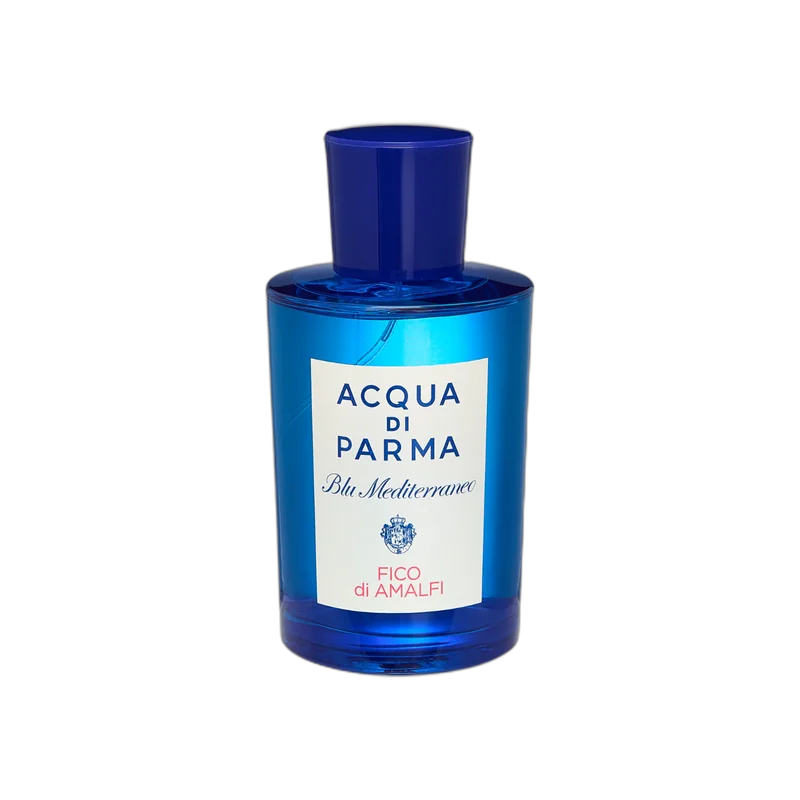
Fico Di Amalfi
Fig as a Mediterranean sunlit afternoon rather than a contemplative garden. Fico di Amalfi arrived in 2006 as part of Acqua di Parma's Blu Mediterraneo line, a series built around the plants and landscapes of the Italian coast, and it captures a very particular kind of fig — one growing in salt air, warmed by southern sun, surrounded by lemon and grapefruit zest. The opening is unmistakably citrus-bright before fig moves in through the heart, lush and milky-green rather than purely fruity, with a woody base of cedar and sandalwood grounding it without adding much shadow. The whole thing is light and airborne, reading more fresh-aquatic than the classic woody-fig tradition. It is a summer fragrance without apology, short on projection and longevity by design, more suited to skin and proximity than a room. It is an EDT concentration, which suits the weightless, sunlit mood and keeps projection deliberately gentle. Heavily stocked by the retailers we track, which keeps the live price competitive. For a fig that tastes of the Italian south rather than the Parisian Left Bank, Fico di Amalfi is the unambiguous choice.
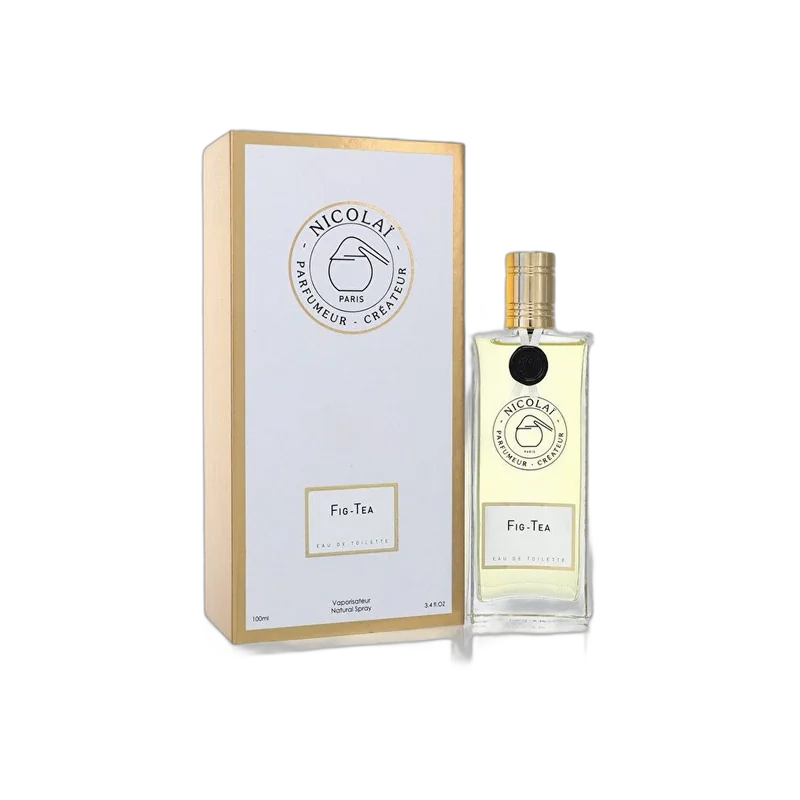
Fig Tea
Patricia de Nicolaï founded her Paris house in 1989 carrying a direct line to the Guerlain family, and the precision that heritage implies shows in everything the house makes. Fig Tea, released in 2000, is a quiet study in how two notes can make each other stranger and more interesting: green fig and black tea share a slightly astringent, tannin-edged quality, and layering them produces something that is cooler and more angular than either alone. The fig here is the green-leaf type rather than the milky-sap kind, giving the whole scent a dry, almost savoury edge that sets it apart from the warmer fig traditions. Bergamot opens it brightly, and a light musk and cedar finish it cleanly. The restraint is consistent with the house's philosophy — no volume for its own sake, no notes that push beyond their purpose. Longevity is moderate and projection is gentle, a skin-close scent that rewards proximity. It has none of the visibility of the major houses and will likely never be the fig you overhear at a bar, which is something of the point. For anyone who wants fig crossed with something genuinely tea-like rather than fresh-aquatic, Fig Tea earns the detour.
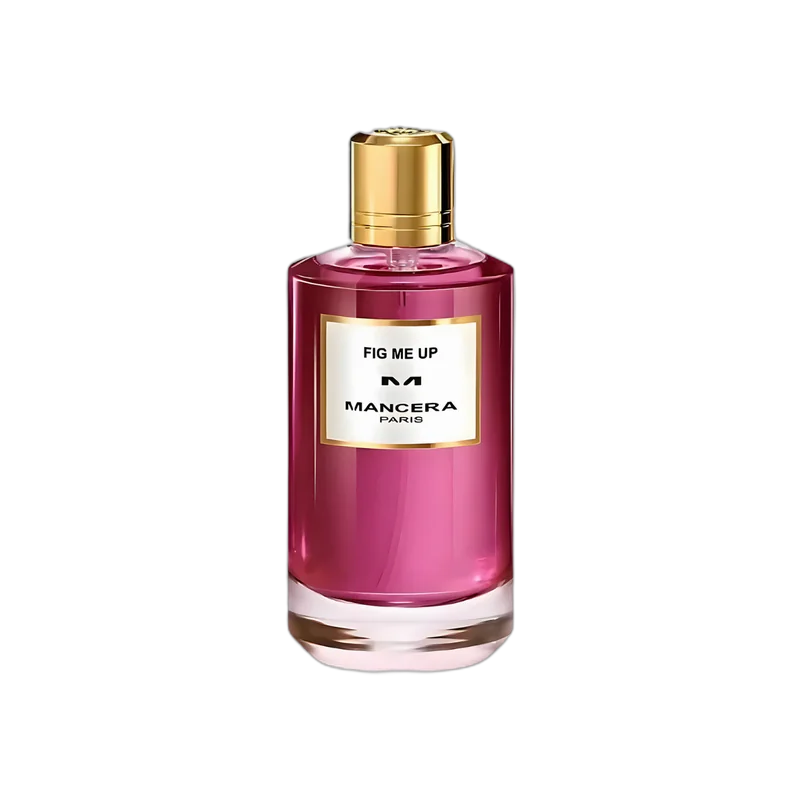
Fig Me Up
The newest entry on this list and the loudest one by some distance. Mancera released Fig Me Up in 2024, and the name signals the register accurately — this is fig pushed into sweet, high-volume, modern territory far from the restrained green austerity of the genre's founding texts. The opening is fruity and a little candied, fig skin and a bright fruity accord, before a creamy, slightly milky fig heart takes over, anchored by sandalwood and musk in a base that is warm, clean and lingers. It is closer to a fig-gourmand than a botanical study, designed for wearability and crowd-appeal rather than complexity. The Mancera house does this well: they find crowd-friendly accords and deliver them at a price that undercuts the more established niche players. Performance is strong, as is typical for the house, projecting confidently and lasting most of the day. It wears unisex but skews fresh-sweet rather than particularly gendered. For an introduction to fig from someone whose current library runs to sweeter, more modern scents, Fig Me Up is the friendly on-ramp. Anyone coming from Philosykos expecting bark and sap should prepare for a very different kind of fruit bowl.
The Reference End: Green, Bitter, Precise
Philosykos set the template for the entire genre and no fig fragrance since has fully escaped its shadow. It is worth understanding what Giacobetti actually built in 1996: not a scent that smells of eating a fig, but a scent that smells of standing inside a fig grove at noon in late summer, bark and dust underfoot and leaves overhead. The fig-leaf accord sits on top, sharp and slightly resinous; the milky stem note gives warmth underneath; a dry woody base reads as bark rather than polished sandalwood. The sweetness is far in the background and never takes over. It is why every review of every fig fragrance since 1996 ends up referencing it — not because the others fail, but because they are all answering a question it asked first.
Essential Parfums Fig Infusion (2022) sits in the same green-leaf family but takes a more transparent, modern approach, stripping away the woody complexity and building something cooling and immediate. It suits the shopper who wants the brightness of the leaf note without the weight or the price of the genre's marquee names. Nicolaï Fig Tea (2000) approaches from a different angle: it uses black tea's tannin quality to pull fig in a more angular, slightly savoury direction that feels genuinely unusual. It is the pick for the shopper who finds both the ripe-fruit and the milky takes too easy and wants something that rewards attention.
The Sunny Side: Citrus, Salt Air and the Italian Coast
Acqua di Parma Fico di Amalfi arrives at fig from the Mediterranean rather than the forest floor. The Blu Mediterraneo line from which it comes has always been less interested in botanical precision than in capturing a feeling: warmth, open water, sun on citrus skin. Fico di Amalfi opens on lemon and grapefruit, then brings fig in through the heart as a secondary character in a composition that reads mostly fresh and citrus-aquatic. The result is a fig that works poolside and suits warm skin in summer. It is lighter and more holiday-appropriate than the Paris takes, and it comes in well stocked by the retailers we track, with live prices that are usually competitive. For more on how it fits within the wider Acqua di Parma range, the full Acqua di Parma guide covers the Blu Mediterraneo line and the classic Colonia alongside it.
The Modern-Sweet End: Crowd-Friendly and Built to Project
Mancera Fig Me Up (2024) represents the direction the fig genre is heading commercially. The house keeps the fig material but wraps it in a soft, creamy, musk-forward base that suits modern wearing preferences and earns compliments in public. There is nothing wrong with this: a fig that reads accessible and warm will reach more wrists than one that opens on sap and bark. Fig Me Up sits at the sweet, high-volume end of the spectrum, and it is honest about it. The Mancera house has built its reputation on exactly this kind of positioning — taking a recognisable material, turning it up, pricing it below the more storied niche houses, and delivering strong performance. For someone newer to fig who wants an introduction that does not require any preconceptions to enjoy, this is the friendliest entry point on the list.
How to Choose
Match the style of fig to how you intend to wear it and what you are coming from.
For a serious, considered fig that rewards attention and earns its keep across all seasons, Philosykos remains the answer thirty years on. If you have never smelled it, sample it before anything else on this list — it is short, efficient, and defines what the note can do at its most precise.
For warm weather, casual wearing and a fig that sits inside a wider fresh-citrus holiday mood, Fico di Amalfi is the practical daily choice. It does not ask for much in return and is easy to find at a reasonable price.
For something quieter and more genuinely unusual, Nicolaï Fig Tea rewards the shopper who wants a fig that nobody else in the room will likely be wearing. The tea crossing makes it distinct and the house's low commercial profile means it stays underexplored.
For an accessible, light, modern green fig that suits the office and warm months without demanding much, Fig Infusion sits comfortably at its price tier. The refillable bottle is practical for regular wear.
And if you are newer to the note and want something immediately likeable, Fig Me Up is the loudest and most crowd-friendly here. It will introduce you to the fig family without asking you to think about bark.
On budget, Fig Infusion offers genuine fig character at a price that undercuts the genre leaders significantly. At the other end, Philosykos and Fico di Amalfi are both heavily stocked, which keeps live prices competitive across the retailers we track — worth checking the data before paying full retail on either.
Compare fig fragrance prices across every retailer on Aurexum